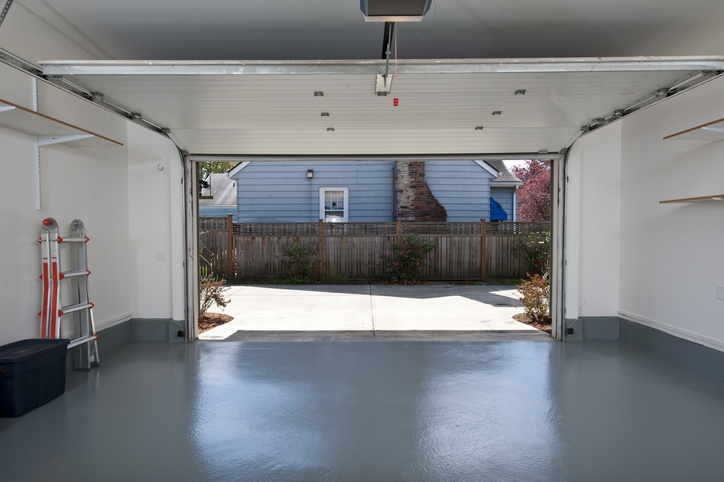
A proactive approach to seasonal garage maintenance will keep your home comfortable, help you save on your energy bills, and keep your physical garage equipment in good condition. This guide from Robert’s Garage Door Professionals breaks down the essential seasonal garage maintenance tips and weatherproofing strategies you need to protect your investment through every forecast.
Winter Garage Maintenance Goals
Winter is the ultimate stress test for your garage. Your door is the largest moving object in your home, and during these months, it becomes the primary barrier against freezing temperatures.
Seal the Thermal Envelope
The most effective way to handle winter is to keep the cold out and the heat in. If your garage is attached to your house, a drafty door acts as a massive energy leak. A too-cold garage can also affect your car, draining its battery, affecting its tires, and more.
Start by inspecting the weather stripping (the rubber seal at the bottom of the door). If you see light coming through or the rubber is brittle and cracked, it needs immediate replacement. A tight seal is the cornerstone of weatherproofing your garage.
If your garage still feels like an icebox after addressing its weather stripping, consider the door itself. Upgrading to an insulated garage door can stabilize the temperature in your garage.
Protect Your Mechanical Components
Cold weather causes metal components to contract and grease to thicken. This combination often leads to stuck doors and strained openers. To avoid this, you can apply a silicone-based lubricant to essential components, which are the hinges, rollers, tracks, and springs. Avoid WD-40, which can attract dirt and gum up the works.
You should also keep your garage threshold clear of snow and ice. If the bottom seal freezes to the concrete, attempting to open the door can rip the weather stripping or burn out the opener motor.
Spring Garage Maintenance Goals
Once the snow melts, your garage needs a “detox.” Winter brings salt, grime, and moisture into your garage, which can degrade components if left to sit. In spring, it’s important to prioritize the following.
Cleaning and Structural Inspection
Start by deep cleaning your garage door’s tracks and rollers with a damp cloth or toothbrush. The debris and road salt brought in by your tires can build up in the tracks, causing the door to jerk or derail. The time while you’re cleaning is also a great time to perform a structural audit. Look for rust on the springs, fraying on the lift cables, or cracks in the door panels. These issues often worsen unnoticed during the winter.
Safety Checks and Decluttering
Spring garage maintenance is also the perfect time to audit safety. Test your auto-reverse features by placing an object (like a roll of paper towels) in the door’s path. If the door attempts to pass through the object instead of reversing upon contact, your sensors may be misaligned or dirty.
Since an organized garage is a safe garage, this is also the perfect time to rotate your home’s equipment. Move the snow blowers to the back and bring the lawnmowers and gardening tools to the front. An organized garage is a safe garage.
Summer Garage Maintenance Goals
High temperatures and humidity require specific garage weatherproofing strategies to prevent warping and mold.
Battling Heat Buildup
Garages can trap heat, often reaching temperatures far higher than the outside air. This intense heat can damage temperature-sensitive items (like paint or electronics) and even cause wooden doors to warp or vinyl seals to soften.
To combat this, focus on ventilation. Cracking the door slightly or installing sidewall vents can release trapped heat. If you have a wooden door, check it mid-summer to ensure it hasn’t expanded or warped within the tracks.
Reduce Humidity and Friction
Heat dries out lubricants faster than cold does. If your door develops a “summer squeak,” it’s time to apply silicone spray to the springs and rollers. Furthermore, if your garage feels swampy, you are at risk for mold growth. Running a dehumidifier during the peak-humidity months is a smart investment to protect the integrity of your garage’s interior.
Fall Garage Maintenance Goals
As the leaves turn, your main goal shifts from managing heat to securing the perimeter. Fall is the critical window to block out cold drafts and keep unwanted guests from moving in for the winter.
Rodent-Proofing and Sealing
As outdoor temperatures drop, mice and other pests seek warmth, and a garage door with a gap is essentially a welcome mat. Inspect your bottom weather stripping (astragal) and the corners where the door meets the ground. If rodents have chewed on the seal, or if it has shrunk and cracked, replace it immediately. Ensuring a tight seal is a critical step in weatherproofing your garage, keeping both critters and cold air outside where they belong.
Drainage and Floor Protection
While fall isn’t necessarily the wettest season, falling leaves can clog gutters and drains, causing water to pool near your foundation right before the freeze sets in. Ensure water is diverting away from the garage to prevent “ice dams” from forming at the threshold later. This is also the best time to apply a sealant to your concrete floor. This doesn’t just stop water; it prevents the corrosive road salt you’ll drag in during winter from penetrating and pitting the concrete.
Contact Us for Professional Garage Maintenance
Need help preparing for the season ahead? For professional seasonal garage maintenance in Chicago, Robert’s Garage Door Professionals is your trusted partner. Whether you need a simple safety inspection, a spring replacement, or an entirely new garage door, our skilled technicians are here to help.
Contact Robert’s Garage Door Professionals today to schedule your inspection.